


Archives
-
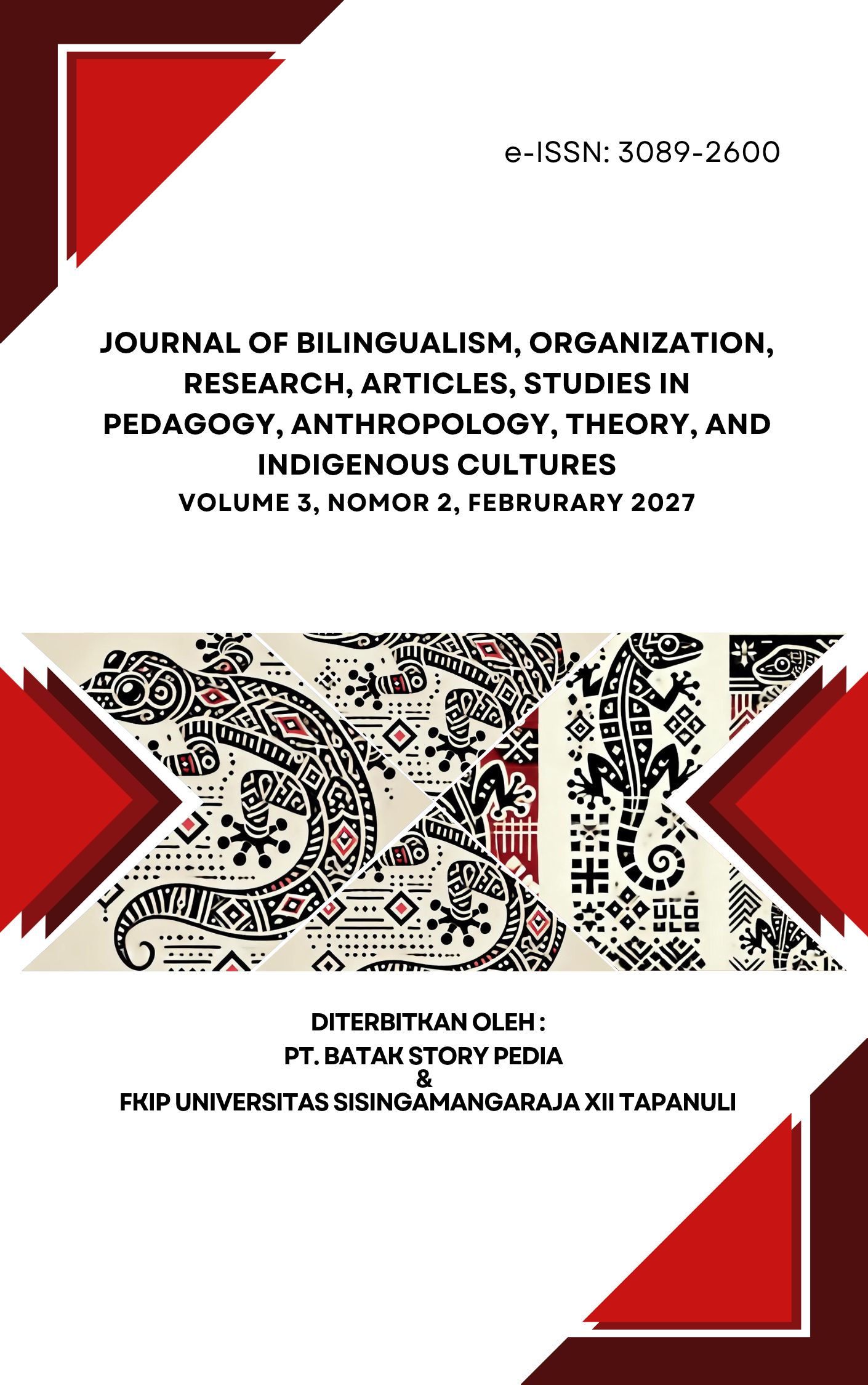
Volume 3 Nomor 2 November 2027 - Februari 2027
Vol. 3 No. 2 (2027)Volume 3, Issue 2 (November 2026 – February 2027)
BORASPATI Journal Volume 3, Issue 2 (November 2026 – February 2027) presents a collection of peer-reviewed research articles that contribute to the advancement of interdisciplinary scholarship in linguistics, language education, literature, cultural studies, and indigenous knowledge systems. The articles published in this issue reflect the journal’s commitment to fostering high-quality academic research that connects theoretical perspectives with practical applications in addressing contemporary educational, linguistic, literary, and sociocultural challenges.
This issue features original research on instructional innovation, culturally responsive pedagogy, theoretical and applied linguistics, multilingualism, language policy, literary analysis, digital humanities, and the preservation of indigenous languages and cultural heritage. The published studies also explore the integration of local wisdom into educational practices, the documentation and digitalization of regional literary traditions, and research-based approaches to strengthening community engagement, cultural identity, and sustainable development.
Volume 3, Issue 2 (November 2026 – February 2027) includes manuscripts accepted for publication between November 2026 and February 2027. All accepted manuscripts are expected to complete the journal’s editorial process, including initial screening, plagiarism checking, rigorous double-blind peer review, author revisions, and final editorial evaluation before publication.
As an interdisciplinary, peer-reviewed, and open-access journal, BORASPATI Journal continues to provide an international platform for researchers, educators, practitioners, and policymakers to disseminate original research and exchange scholarly perspectives. Every manuscript published in this issue undergoes a rigorous double-blind peer-review process designed to uphold scientific quality, originality, research ethics, and academic significance.
We hope that the articles published in Volume 3, Issue 2 (November 2026 – February 2027) will enrich international scholarly discourse, encourage interdisciplinary collaboration, and inspire future research in linguistics, language education, literature, anthropology, and indigenous cultural studies.
-
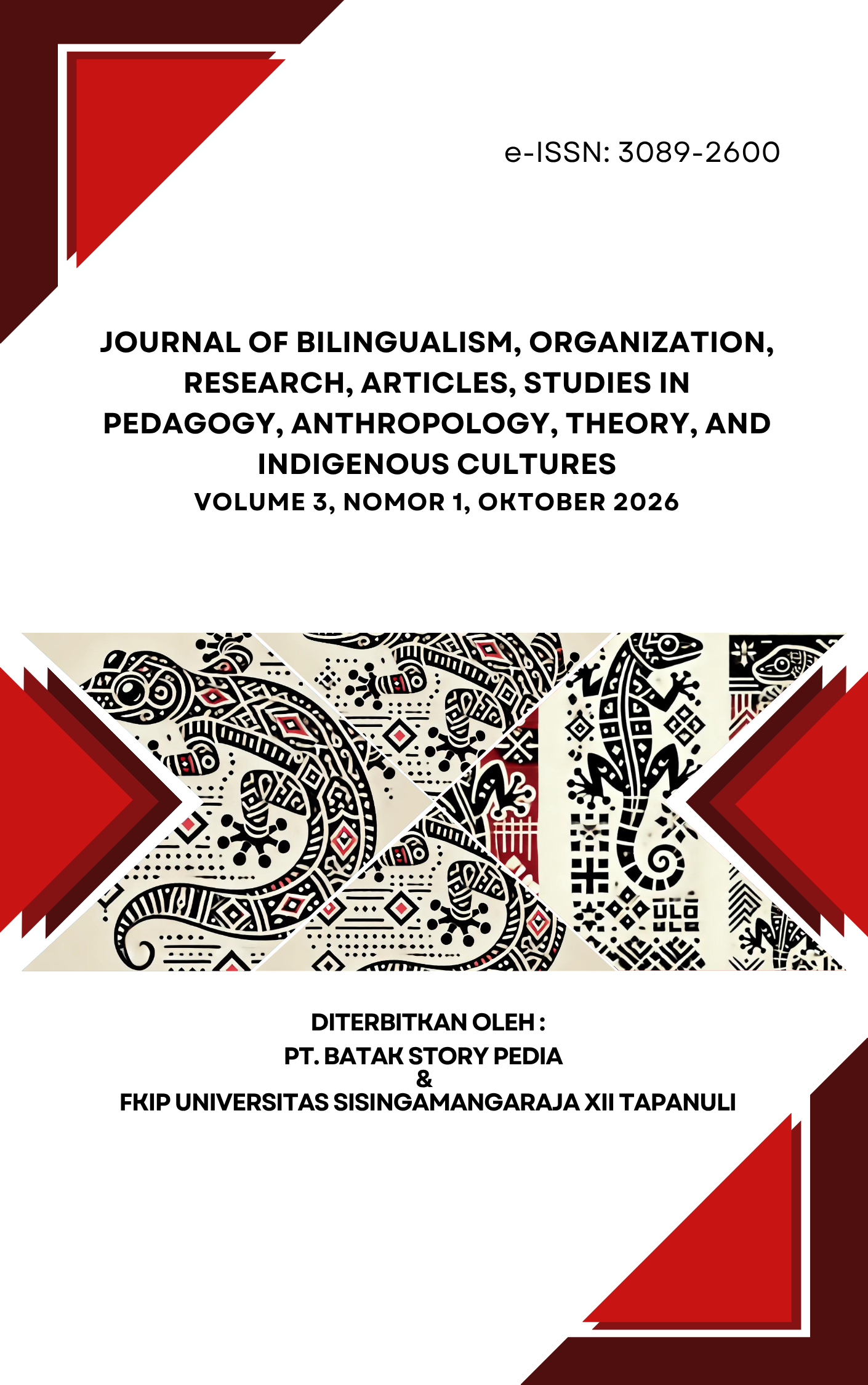
VOLUME 3 NUMBER 1 OKTOBER 2026
Vol. 3 No. 1 (2026)Volume 3, Issue 1 (October 2026)
BORASPATI Journal Volume 3, Issue 1 (October 2026) presents a collection of peer-reviewed research articles that contribute to the advancement of interdisciplinary scholarship in linguistics, language education, literature, cultural studies, and indigenous knowledge systems. The articles published in this issue reflect the journal's commitment to promoting high-quality academic research that bridges theoretical perspectives with practical applications in addressing contemporary educational, linguistic, and sociocultural challenges.
This issue features original studies covering instructional innovation, culturally responsive pedagogy, theoretical and applied linguistics, multilingualism, language policy, literary studies, digital humanities, and the preservation of indigenous languages and cultural heritage. The published works also highlight the integration of local wisdom into educational practices, the digitalization of regional literary resources, and research-driven approaches to strengthening community engagement and sustainable cultural development.
Volume 3, Issue 1 (October 2026) includes manuscripts that were accepted for publication between July and October 2026. All accepted manuscripts successfully completed the journal's editorial process, including initial screening, plagiarism checking, rigorous double-blind peer review, author revisions, and final editorial evaluation before publication.
As an interdisciplinary, peer-reviewed, and open-access journal, BORASPATI Journal continues to serve as an international platform for researchers, educators, practitioners, and policymakers to disseminate innovative research and exchange scholarly perspectives. Every manuscript included in this issue has undergone a rigorous double-blind peer-review process to ensure scientific quality, originality, ethical integrity, and academic significance.
We hope that the articles published in Volume 3, Issue 1 (October 2026) will enrich global scholarly discourse, encourage interdisciplinary collaboration, and inspire future research in linguistics, language education, literature, anthropology, and indigenous cultural studies.


